The midge, plainly
Tiny biting flies. Culicoides impunctatus. Out from late May to mid September. Worst in still, damp, overcast weather — dawn and dusk on the west coast. Wind kills them; bright midday sun keeps them down.
A midge net for your head costs less than a pint and is the difference between a trip and a story you'll tell through gritted teeth. Bring one. You probably won't wear it. The day you need it, you really need it.
The honest calendar
- March – May. Long light, lambing season, no midges yet. Booking still easy. Roads quiet. The first warm afternoon of the year in a glen is a thing you remember.
- June – August. Peak crowds, peak midges, peak prices. Honeypots are full. Go remote — Assynt, Knoydart, the Outer Hebrides — or come another month.
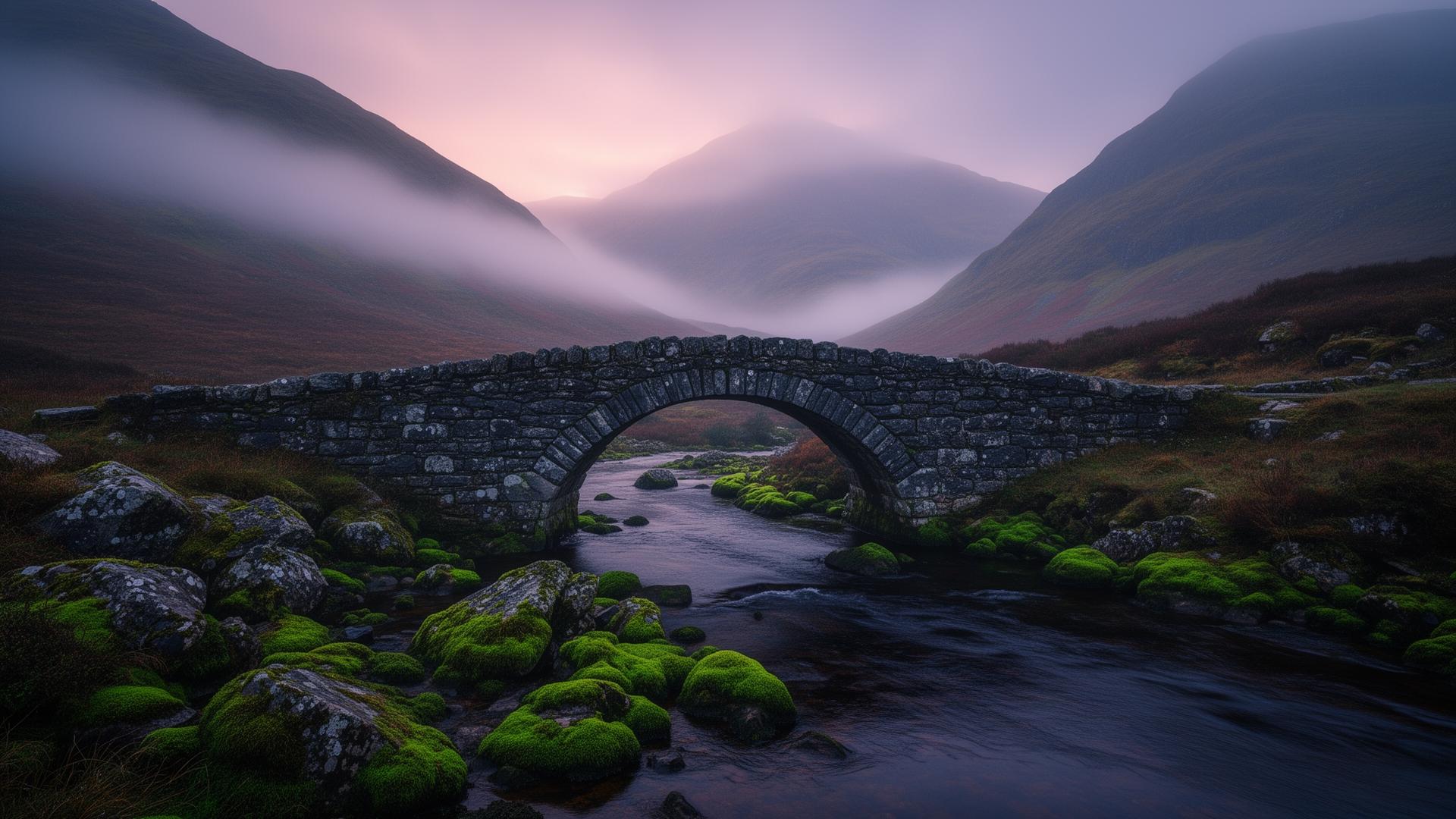
- September – October. The secret. Hills turn copper, midges gone, light is gold by 4pm, prices drop, ferries available. The month locals book.
- November – February. Wild, short days, empty roads. Some passes close. Snow tyres advised in the Cairngorms. A January bothy with a fire is one of the best things this country offers.
Stalking season
Late August to late October. Estates ask walkers to check Heading for the Scottish Hills before going off-track on stalking days. It's a courtesy, not a ban — the right of access still applies.
What to pack, regardless
Waterproof shell, midge net, warm layer (it can drop ten degrees in an hour), proper boots, and a flask. Scotland is a country of weather, not climate. Plan for all four seasons in a single afternoon and you'll never be disappointed.
The hills turn copper in October. The midges are gone. The B&Bs have rooms. Tell no one.